Why Reiki?
“If Reiki can be spread throughout the world it will touch the human heart and the morals of society. It will be helpful for many people, not only healing disease, but the Earth as a whole.” ~Sensei Mikao Usui
What is Reiki?
Reiki is a gentle Japanese energy practice that supports the body’s natural ability to rest, rebalance, and restore. Using light touch or hands held just above the body, Reiki works with the flow of energy to support well-being on physical, mental, emotional, and spiritual levels.
Many people experience Reiki as deeply calming, helping the body shift into the parasympathetic nervous system. In a world where many of us spend time feeling stressed, overstimulated, or overwhelmed, Reiki can offer space for the nervous system to settle, soften, and rest.
People seek Reiki for many different reasons. Some come during times of stress, grief, overwhelm, illness, or change. Others are looking for rest, clarity, emotional support, deeper connection to themselves, or support alongside physical or emotional healing.
Reiki is gentle and non-invasive and can be safely received alongside medical care, counselling, psychotherapy, physical therapy, surgery, medications, chemotherapy, and other healing practices. Sessions are quiet and deeply restful, offering space to slow down, reconnect, and listen inward.
Amanda’s Reiki practice is informed by both the Usui Reiki Ryoho tradition (Western style) and Komyo ReikiDo (Eastern style), bringing together practical hands-on approaches with a quieter emphasis on presence, mindfulness, and Reiki’s original Japanese roots.
The word Reiki comes from two Japanese words: Rei, meaning universal, and Ki, meaning life energy.
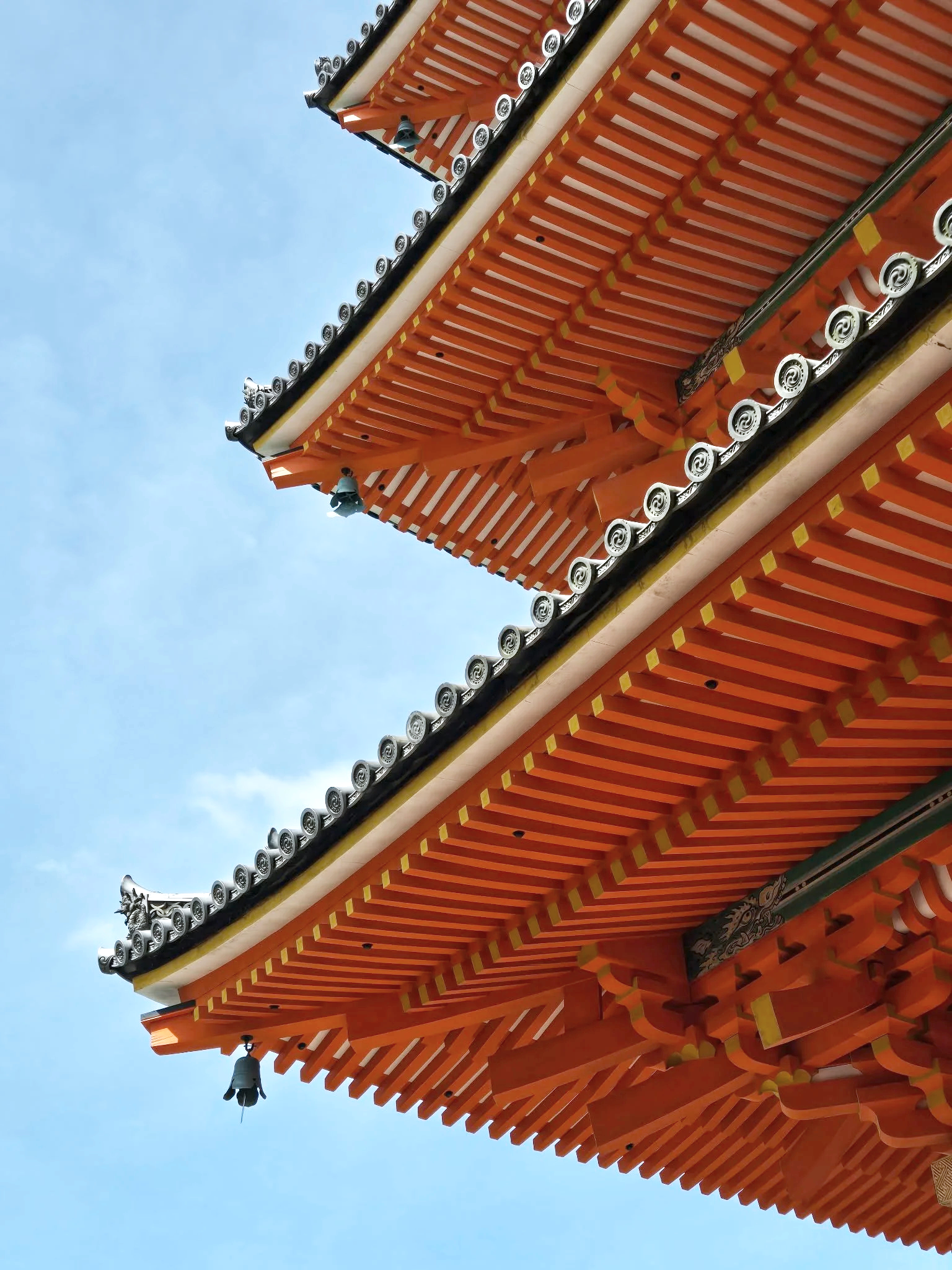
Amanda’s Reiki practice is informed by both the Usui Reiki Ryoho tradition (Western style) and Komyo ReikiDo (Eastern style), which she studied in Kyoto, Japan. While Western Reiki often emphasizes technique and treatment, Komyo ReikiDo returns to Reiki’s simpler roots, with a focus on presence, meditation, and reconnecting to one’s natural state of balance. Together, these traditions shape Amanda’s gentle and grounded approach.
How Can Reiki Support You?
People come to Reiki for many different reasons. Some are moving through stress, grief, exhaustion, illness, or periods of change. Others are seeking rest, clarity, emotional support, or a deeper connection to themselves.
Many people experience Reiki as deeply calming, helping the body shift into the parasympathetic nervous system, often called the body’s “rest and digest” state. When we are overwhelmed or under stress, the nervous system can become stuck in patterns of tension and alertness. Reiki offers an opportunity to slow down, soften, and allow the body to rest.
People often describe feeling calmer, lighter, more settled, or more connected to themselves following a session. Some leave with a renewed sense of clarity, reassurance, or direction.
Reiki is not intended to replace medical care, but many people find it to be a supportive complement alongside counselling, therapy, medications, surgery, or other treatments. Gentle and non-invasive, Reiki offers space to reconnect and support overall well-being.
While each experience is unique, people often share that they leave feeling:
calmer, more rested, and deeply relaxed
lighter, steadier, or more at ease
supported during times of stress, healing, or transition
more connected to themselves and their inner knowing
clearer in their thoughts or more reassured about what comes next
grounded, peaceful, and better able to move forward
Amanda offers Reiki sessions for those seeking support, rest, or reconnection, and teaches Reiki to those who feel called to learn the practice for themselves.